In today’s fast-paced world, consumers are increasingly seeking nutritious, convenient food options that align with their health and wellness goals. Among these trends, the demand for high-protein poultry products has surged dramatically in recent years. Modern shoppers are no longer satisfied with basic chicken cuts; they want protein-packed, ready-to-eat or easy-to-prepare poultry options that fit seamlessly into their busy lifestyles. This shift represents a fundamental change in consumer behavior, driven by growing health consciousness, busier schedules, and greater awareness of protein’s role in overall wellbeing. From pre-marinated chicken breasts to fully-cooked rotisserie options, the poultry industry is responding with innovative products that deliver both nutrition and convenience.
The Growing Demand for Protein-Rich Diets
Consumer interest in protein-rich diets has experienced remarkable growth over the past decade. This shift stems from several converging factors that have collectively elevated protein to superstar status in nutritional circles.
Health and Fitness Motivations
Protein has moved from being primarily associated with bodybuilders to becoming a mainstream nutritional priority. High-protein diets are now recognized for their role in supporting muscle maintenance, promoting satiety, and assisting with weight management goals. According to recent market research, nearly 60% of consumers actively check protein content on food labels, reflecting heightened awareness of protein’s importance in their diets.
Fitness enthusiasts particularly prize protein for its muscle recovery benefits, but even average consumers now associate adequate protein intake with overall wellness and energy levels. This awareness has created a market environment where protein content has become a significant selling point across food categories.
Demographic Shifts Driving Protein Consumption
The aging population has also contributed to increased protein demand. As consumers age, they become more aware of protein’s role in preserving muscle mass and strength—critical factors in maintaining independence later in life. Additionally, younger demographics, including Millennials and Gen Z, show strong preference for protein-rich foods that align with their active lifestyles and fitness goals.
Why Poultry Leads the High-Protein Market
Among protein sources, poultry—particularly chicken—has emerged as a consumer favorite for several compelling reasons.
Nutritional Profile and Versatility
Poultry offers an impressive nutritional package: it’s naturally high in protein while remaining relatively low in fat, especially when consumed without skin. A typical 3-ounce serving of chicken breast provides approximately 26 grams of protein with minimal saturated fat. This favorable protein-to-fat ratio makes poultry an attractive option for health-conscious consumers.
Beyond its nutritional benefits, poultry’s versatility allows it to accommodate diverse culinary preferences, dietary restrictions, and ethnic food traditions. Chicken especially serves as a blank canvas that readily absorbs flavors from various cuisines, making it adaptable to changing consumer tastes.
Affordability and Sustainability Considerations
Compared to other animal proteins, poultry typically offers more protein per dollar, making it an economical choice for protein-focused shoppers. This cost-effectiveness becomes even more important during economically challenging times, when consumers still prioritize protein but may need to manage their food budgets carefully.
Additionally, poultry production generally has a lower environmental footprint than beef production, requiring less land, water, and feed while producing fewer greenhouse gas emissions. This relative sustainability advantage resonates with environmentally conscious consumers seeking to reduce their ecological impact without eliminating animal proteins entirely.
The Convenience Revolution in Poultry Products
Today’s time-pressed consumers increasingly seek food options that minimize preparation while maximizing nutrition. This convenience factor has become a decisive purchasing criterion, driving significant innovation in the poultry sector.
Ready-to-Eat and Ready-to-Cook Options
The market for pre-prepared poultry products has expanded dramatically, with options ranging from fully-cooked rotisserie chickens to pre-cut, pre-seasoned chicken strips ready for quick cooking. Grocery store deli sections now prominently feature prepared chicken options that require zero cooking time, perfect for immediate consumption or quick meal assembly.
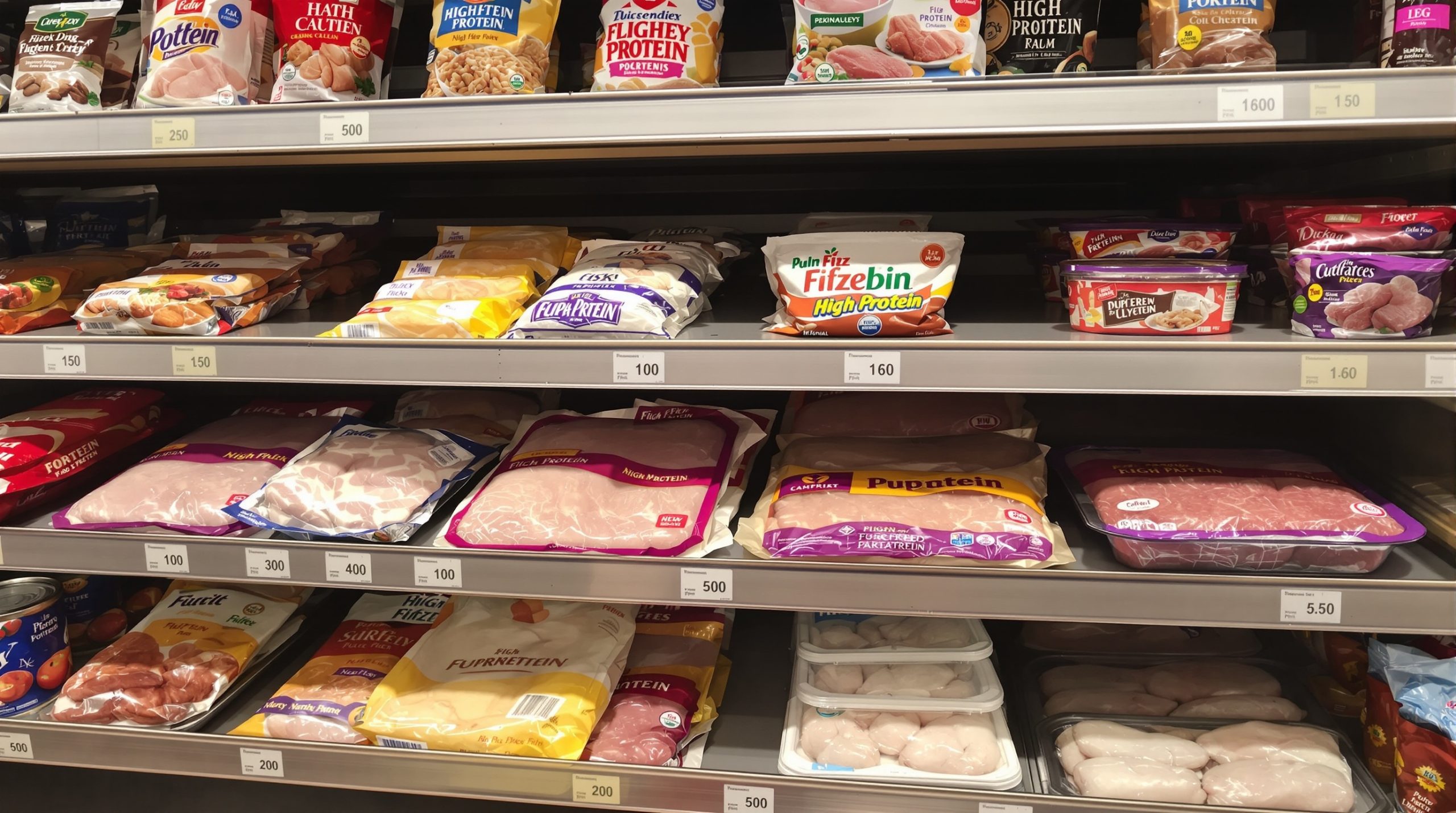
Meanwhile, the refrigerated and frozen sections offer increasingly sophisticated ready-to-cook options with marinades, seasoning packets, or cooking instructions that simplify meal preparation without sacrificing the satisfaction of home cooking. These products effectively bridge the gap between convenience and the desire for freshly prepared meals.
Innovative Packaging Solutions
Packaging innovations have further enhanced the convenience factor of poultry products. Individual portion packs allow consumers to prepare only what they need, reducing waste. Oven-ready and microwave-safe packaging enables cooking without additional containers, minimizing cleanup. Some advanced packaging even includes built-in seasonings that release during cooking, offering gourmet flavor with minimal effort.
Additionally, extended shelf-life packaging technologies help reduce food waste while ensuring consumers have high-quality protein on hand when needed. These packaging advancements address multiple consumer priorities simultaneously: convenience, quality, sustainability, and waste reduction.
Popular High-Protein Poultry Products Gaining Market Share
Several specific product categories exemplify the convergence of high protein content and convenience that today’s consumers seek.
Pre-Portioned and Seasoned Options
Pre-portioned chicken products have seen substantial growth, offering consumers precisely measured amounts of protein without the need for kitchen scales or guesswork. These products often include built-in flavor profiles through marinades or seasonings, eliminating additional preparation steps.
- Individually vacuum-sealed chicken breasts with flavor-infused marinades
- Portion-controlled chicken tenders with various coatings and seasonings
- Single-serve grilled chicken slices for salads and quick meals
Fully-Cooked Rotisserie and Specialty Items
Perhaps no product better symbolizes the convenience revolution than the grocery store rotisserie chicken. This fully-cooked option has become a staple for millions of households, offering a complete protein source that requires no preparation. Market data indicates that rotisserie chicken sales continue to grow year over year, with many consumers purchasing them multiple times monthly.
Beyond whole rotisserie chickens, retailers now offer carved rotisserie meat packages, specialty smoked chicken products, and fully-cooked wings and drumsticks that require only reheating. These products deliver restaurant-quality experiences with minimal home preparation.
Value-Added Poultry Products
The category of value-added poultry has expanded significantly, incorporating innovative flavors, functional benefits, and convenient formats:
- Protein-enhanced chicken products with added ingredients to boost protein content
- Internationally-inspired chicken products featuring global flavor profiles
- Chicken sausages and patties as convenient protein alternatives
- Sous vide chicken products that maintain moisture and require minimal reheating
Consumer Purchasing Behaviors and Market Trends
Understanding how and why consumers purchase high-protein poultry products reveals important insights for both retailers and manufacturers.
Shopping Patterns and Decision Factors
Market research shows that consumers increasingly make protein-centered meal planning decisions, starting with their protein choice and building meals around it. For many households, this means selecting poultry products first, then determining side dishes and accompaniments.
Price sensitivity varies by product category, with consumers showing willingness to pay premium prices for convenience-oriented poultry products that save significant preparation time. However, value perception remains crucial—consumers expect both quality and convenience to justify higher price points.
Future Projections for the High-Protein Poultry Market
The high-protein, convenient poultry market is projected to continue its growth trajectory, with several emerging trends likely to shape future developments:
- Increased integration of global flavors and specialty preparations
- Greater emphasis on sustainability claims and animal welfare certifications
- Expansion of premium, restaurant-quality options for home consumption
- Growth in functional poultry products with added health benefits beyond protein
- Further innovations in packaging technology to extend freshness and reduce waste
Nutritional Considerations for Consumers
While high-protein poultry products offer substantial nutritional benefits, consumers should maintain awareness of certain considerations when incorporating these products into their diets.
Balancing Convenience and Nutritional Quality
Many convenient poultry products contain added sodium, preservatives, or flavor enhancers that may affect their overall nutritional profile. Health-conscious consumers should review ingredient lists and nutrition facts panels, particularly when selecting heavily processed options.
Some manufacturers have responded to these concerns by developing clean-label poultry products that minimize additives while maintaining convenience. These products typically feature shorter ingredient lists and emphasize natural preservation methods, appealing to consumers seeking both convenience and minimal processing.
Conclusion
The rising consumer preference for high-protein, convenient poultry products represents more than a passing trend—it reflects fundamental shifts in how modern consumers approach nutrition, meal preparation, and food purchasing decisions. As busy lifestyles continue to drive demand for convenient options while health consciousness keeps protein at the forefront of nutritional priorities, poultry products that successfully balance these needs will likely continue gaining market share. For consumers, this evolution means greater access to protein-rich options that fit seamlessly into their lives; for the poultry industry, it presents ongoing opportunities for innovation in products that deliver both nutrition and convenience. As this market continues maturing, we can expect even more sophisticated offerings that cater to specific consumer segments while maintaining the core appeal of protein-rich poultry in convenient formats.