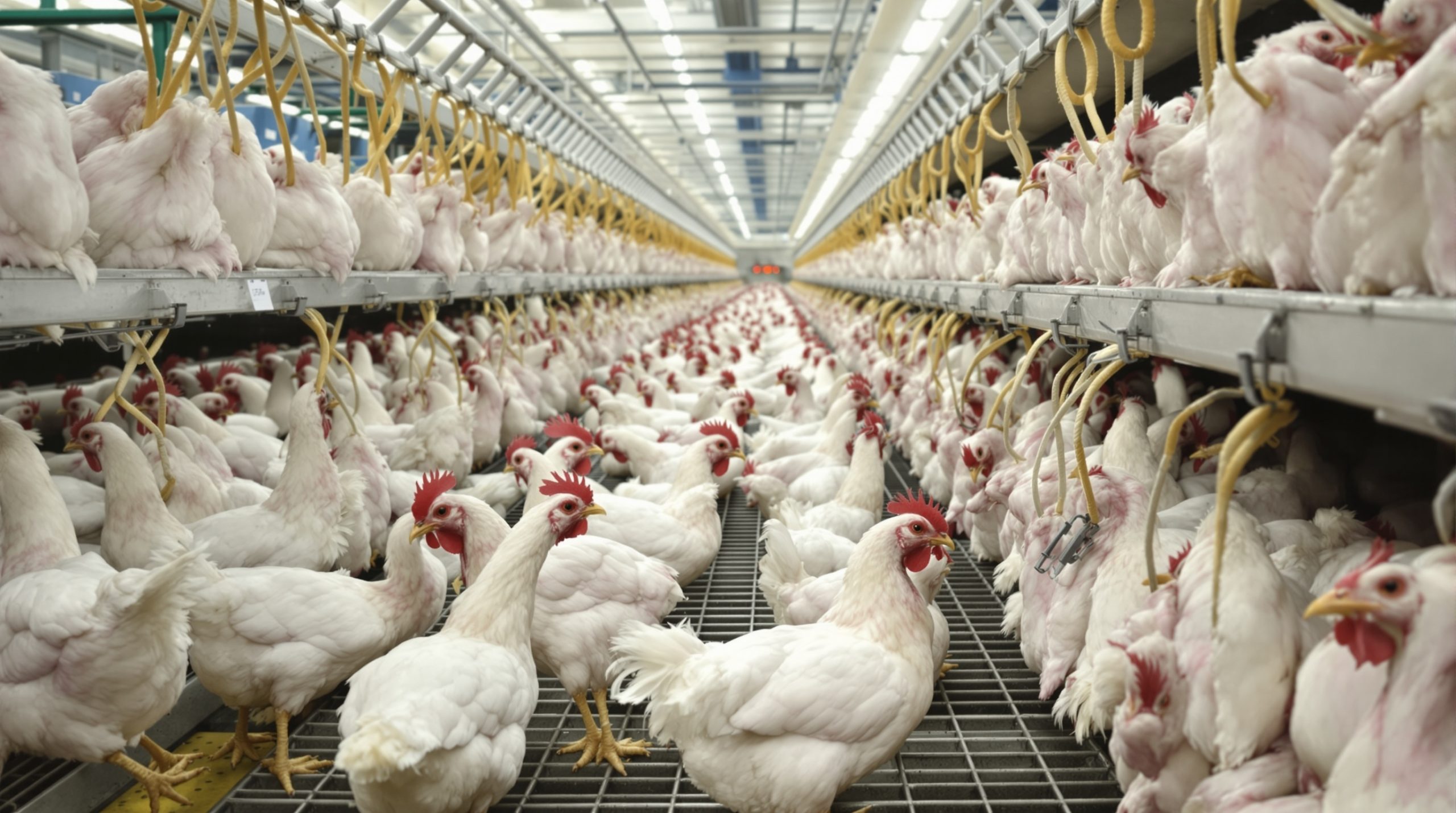
The poultry industry stands at a critical crossroads where efficiency, traceability, and sustainability have become non-negotiable requirements rather than optional advantages. Integrated supply chain management (ISCM) has emerged as a revolutionary approach that connects every touchpoint of poultry production—from feed sourcing and chick hatching to processing, packaging, and distribution. As global protein demand continues to rise and consumers increasingly demand transparency in food production, forward-thinking poultry companies are abandoning siloed operations in favor of interconnected systems that provide end-to-end visibility and control. This transformation is reshaping the industry landscape, creating competitive advantages for early adopters while setting new standards for food safety, operational efficiency, and environmental stewardship.
The Evolution of Supply Chain Management in Poultry Production
Traditional poultry supply chains have historically operated as disconnected segments, with limited information sharing between breeding operations, grow-out farms, processing facilities, and distribution networks. This fragmented approach created numerous inefficiencies, including inventory discrepancies, quality control challenges, and reactive problem-solving. According to latest industry insights, the poultry sector has been undergoing a remarkable transformation in recent years, embracing technology-driven solutions to overcome these longstanding challenges.
The modern integrated poultry supply chain represents a fundamental shift in operational philosophy. Rather than treating each production phase as a separate entity, ISCM creates a seamless flow of products, information, and resources across the entire value chain. This holistic approach enables real-time decision making, proactive quality management, and optimization of resources at every stage of production.
Key Components of Integrated Supply Chain Management in Poultry
Data-Driven Decision Making
At the heart of successful ISCM implementation is the strategic use of data. Advanced analytics platforms aggregate information from multiple sources—environmental sensors, processing equipment, logistics systems, and market indicators—to provide actionable intelligence. This data-driven approach allows poultry producers to:
- Forecast demand with greater precision, reducing waste and optimizing production scheduling
- Monitor animal health parameters in real-time, enabling early intervention
- Track performance metrics across facilities to identify best practices and improvement opportunities
- Adjust operations proactively in response to changing market conditions
Traceability and Food Safety Enhancement
End-to-end traceability has become a cornerstone of modern poultry supply chain management. Integrated systems allow companies to track products from farm to fork, documenting every touchpoint along the way. This comprehensive visibility not only satisfies regulatory requirements but also provides critical advantages during food safety incidents, enabling precise identification of affected products and minimizing the scope of potential recalls.
Advanced traceability solutions often incorporate blockchain technology, creating immutable records that enhance transparency and build consumer trust. These systems document critical data points including feed formulations, medication administration, processing parameters, and distribution routes—creating a complete history for each product that reaches consumers.
Automation and Robotics Integration
The labor-intensive nature of traditional poultry processing has accelerated the adoption of automation technologies within integrated supply chains. Modern facilities increasingly employ robotics for repetitive tasks such as deboning, portioning, and packaging, achieving consistent quality while addressing persistent workforce challenges.
These automated systems generate valuable operational data that feeds back into the integrated supply chain network, creating a virtuous cycle of continuous improvement. Companies can leverage the free ROI & Carcass Balance Calculator to evaluate potential returns on automation investments, comparing current manual operations against projected performance with integrated robotic solutions.
Benefits of Implementing Integrated Supply Chain Management
Enhanced Operational Efficiency
Organizations that successfully implement ISCM typically experience significant efficiency gains across multiple dimensions:
- Reduced inventory carrying costs through improved forecasting and just-in-time production
- Minimized product loss from spoilage and quality issues
- Optimized transportation routing and load consolidation
- Streamlined administrative processes through automated documentation
These efficiency improvements directly impact the bottom line, with leading poultry producers reporting cost reductions of 15-20% following comprehensive ISCM implementation.
Superior Quality Control
Integrated supply chain systems enable unprecedented quality management capabilities. By monitoring critical parameters throughout the production process, companies can identify and address potential issues before they escalate. This proactive approach to quality assurance results in:
- Consistent product specifications that meet customer expectations
- Reduced incidence of quality-related returns and complaints
- Enhanced ability to validate premium product claims (organic, antibiotic-free, etc.)
- Improved yield through optimized processing parameters
Sustainability Advancements
Environmental considerations have become increasingly central to poultry operations, and integrated supply chain management provides powerful tools for sustainability improvement. Resource optimization algorithms can significantly reduce water and energy consumption, while waste stream analysis identifies opportunities for byproduct valorization and circular economy initiatives.
Carbon footprint tracking across the integrated supply chain also enables companies to document and improve their environmental performance, responding to growing consumer and regulatory pressure for climate-responsible production practices.
Implementation Challenges and Solutions
While the benefits of integrated supply chain management are compelling, implementation presents significant challenges that require thoughtful strategies and change management.
Technology Integration Hurdles
Legacy systems and disparate technologies often create compatibility issues during ISCM implementation. Successful organizations typically adopt a phased approach, prioritizing integration of critical systems while developing a comprehensive technology roadmap. Cloud-based platforms with robust API capabilities have emerged as effective solutions for connecting diverse systems without complete replacement of existing infrastructure.
Workforce Adaptation
The transition to integrated supply chain management requires significant workforce adjustment, with employees needing new skills to operate in a data-rich environment. Forward-thinking poultry companies are investing in comprehensive training programs and creating specialized roles focused on supply chain analytics and optimization. Change management practices that emphasize the benefits of integration for daily work processes help overcome initial resistance and build organizational buy-in.
Investment Considerations
The initial capital requirements for comprehensive ISCM implementation can be substantial, necessitating careful financial planning and phased deployment. Companies can utilize ROI modeling tools to identify high-impact integration points that deliver rapid returns, funding subsequent phases through realized efficiency gains. Strategic partnerships with technology providers offering subscription-based solutions can also reduce upfront costs while maintaining access to cutting-edge capabilities.
Future Trends in Poultry Supply Chain Integration
The evolution of integrated supply chain management in poultry production continues to accelerate, with several emerging trends poised to reshape the industry landscape:
Artificial Intelligence and Predictive Analytics
AI-powered systems are increasingly being deployed to analyze complex data patterns across integrated supply chains, identifying optimization opportunities beyond human analytical capabilities. These advanced algorithms can predict equipment failures before they occur, forecast demand fluctuations with remarkable accuracy, and automatically adjust production parameters to maximize yield and quality.
Consumer-Connected Supply Chains
The next frontier in supply chain transparency involves direct consumer engagement with product journeys. QR code technology and mobile applications allow consumers to access detailed information about specific products, including origin farms, production methods, and sustainability metrics. This direct connection creates powerful differentiation opportunities for brands willing to embrace radical transparency.
Collaborative Supply Networks
Forward-thinking poultry companies are expanding integration beyond their organizational boundaries, creating collaborative networks that include key suppliers, logistics partners, and even customers. These extended ecosystems enable synchronized planning, shared risk management, and joint innovation initiatives that deliver mutual benefits across the value chain.
Conclusion
The integration of supply chain management in poultry production represents a fundamental transformation rather than an incremental improvement. Companies that successfully implement comprehensive ISCM solutions position themselves to thrive amid intensifying market pressures, regulatory requirements, and consumer expectations. The journey toward full integration requires significant investment of resources and organizational focus, but delivers compelling returns through enhanced efficiency, quality, sustainability, and market responsiveness.
As the poultry industry continues to evolve, the gap between organizations embracing integrated approaches and those clinging to traditional siloed operations will likely widen, creating distinct competitive advantages for early adopters. For poultry producers seeking to enhance their supply chain capabilities, comprehensive assessment of current operations and development of a tailored integration roadmap represent critical first steps. To explore how integrated supply chain solutions can benefit your specific operations, contact our team of industry specialists for a personalized consultation.
References
[1] Journal of Food Science and Technology – https://link.springer.com/journal/13197
[2] Food Safety Magazine – Blockchain in Poultry Production – https://www.food-safety.com/articles/6845-blockchain-technology-a-new-era-for-food-safety
[3] McKinsey & Company – Supply Chain 4.0 in Consumer Goods – https://www.mckinsey.com/industries/consumer-packaged-goods/our-insights/supply-chain-4-0-in-consumer-goods
[4] Poultry Science Journal – Automation in Poultry Processing – https://www.sciencedirect.com/journal/poultry-science
[5] FAO – The Future of Food and Agriculture – https://www.fao.org/3/i6583e/i6583e.pdf